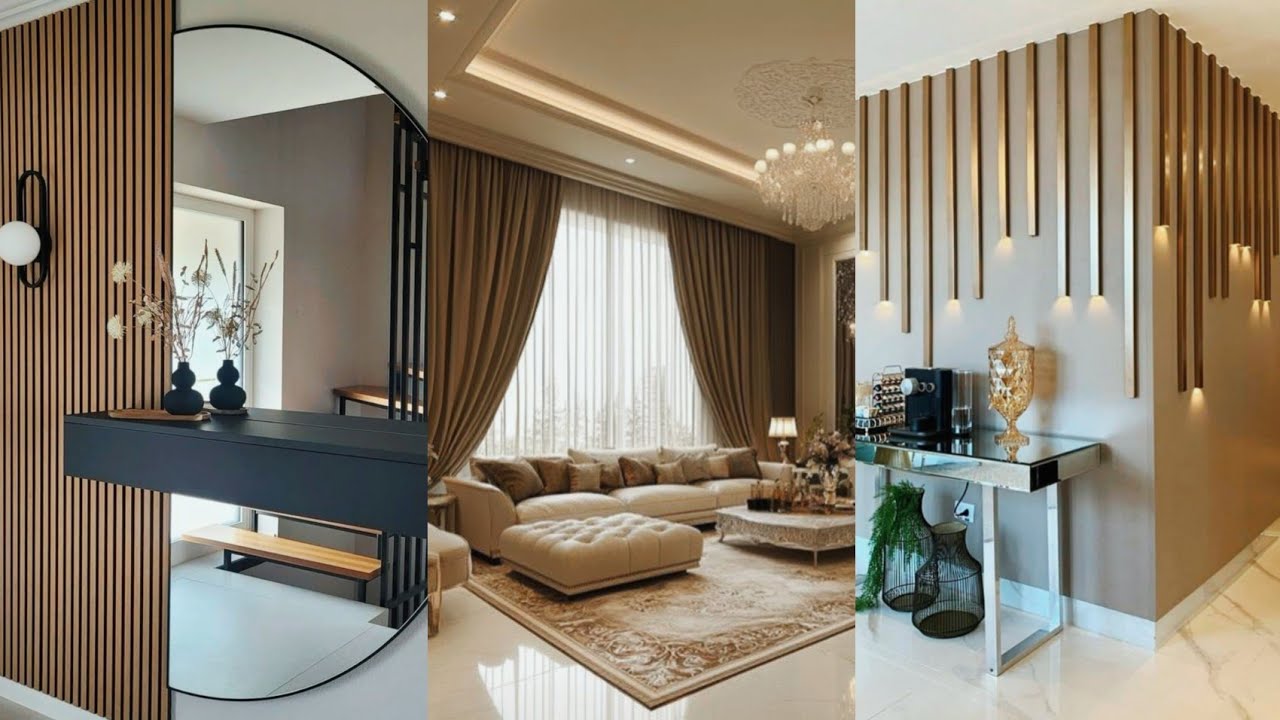
People no longer learn through one fixed route. Daily schedules often change without much warning. Career goals can shift over time as well. Because of this, flexible education attracts wider attention. Creative subjects benefit from this approach especially well. Learners gain freedom while building useful capabilities. An interior design course United Kingdom offers this balance through accessible online study. It combines practical knowledge, creative thinking, and personal flexibility.
How Flexible Study Supports Creative Skill Development
Interior design requires observation and thoughtful decision-making. Strong concepts rarely appear during rushed sessions. Instead, ideas improve through review and refinement. Self-paced study creates room for that process.
A learner may revisit colour combinations repeatedly. Another person may focus longer on furniture placement. Each approach serves a different learning preference. Since progress follows personal understanding, retention often improves. This creates stronger confidence when handling future projects.
Creative growth benefits from exploration rather than pressure. Time becomes a valuable learning tool. As understanding expands, design choices become clearer.
Building Practical Skills Through Online Projects
Knowledge gains value when applied to realistic tasks. Reading concepts alone rarely develops professional judgement. Project work fills that important gap.
Students often create room layouts and mood boards. They may evaluate flooring, lighting, and furnishings. Each activity mirrors situations found in practice. Through repeated application, stronger decision-making begins forming naturally.
Common project elements include:
- Space planning exercises
- Material selection tasks
- Residential room concepts
- Visual presentation creation
- Budget-focused design choices
These activities connect learning with practical application. As a result, learners understand why certain solutions work better.
Why Flexibility Helps Long-Term Progress
Life rarely follows predictable patterns every week. Work commitments may increase unexpectedly. Family responsibilities sometimes require immediate attention. Fixed schedules can become difficult under those conditions.
Flexible access solves many of those challenges. Lessons remain available when convenient opportunities appear. A person may study early mornings. Another learner may prefer evening sessions. Both options remain equally effective.
This freedom reduces unnecessary pressure. Energy can remain focused on understanding concepts. Learning becomes part of daily life rather than a separate obligation.
How Professional Thinking Develops Online
Successful designers solve problems beyond visual appearance. Every project contains practical considerations. Space limitations often influence final decisions. Budget requirements shape many selections too.
In an interior design course United Kingdom, learners frequently encounter realistic design briefs. A compact apartment may require creative storage solutions. A retail environment may need efficient customer movement.
Professional thinking develops through evaluation and revision. Initial concepts rarely remain unchanged. Each adjustment strengthens design judgement and planning ability.
Useful professional skills include:
- Client requirement interpretation
- Layout assessment methods
- Product comparison techniques
- Project organization practices
These abilities remain valuable across numerous design settings.
Can Online Learning Create Career Opportunities?
Many learners pursue education for career development. Others seek knowledge for personal projects. Both motivations can benefit from online study.
Portfolio development plays an important role here. Completed assignments demonstrate capability through tangible examples. Potential employers often appreciate visible project evidence. Clients also prefer reviewing practical work samples.
A well-developed portfolio may contain several project styles. Residential concepts can showcase creativity. Commercial proposals may highlight planning abilities. Together, these examples present a broader skill range.
Because project work reflects realistic scenarios, learners gain experience before entering professional environments. This preparation creates greater confidence during future opportunities.
A Flexible Way to Develop Design Expertise
Interior design combines creativity with practical reasoning. Online education supports both areas effectively. Flexible schedules allow learning around existing commitments. Project-based activities strengthen real-world understanding. Professional habits develop through repeated application and reflection.
For individuals balancing busy responsibilities, this pathway offers meaningful advantages. Knowledge grows steadily through consistent effort. Design confidence increases through practical experience. Over time, learners build valuable capabilities while maintaining control over their schedules.
FAQs
Is online interior design suitable for complete beginners?
Yes, many programs begin with essential principles. Learners gradually develop understanding through guided activities.
Can students build portfolios during study?
Most courses include practical assignments and projects. Those pieces often become valuable portfolio material.
Does flexible learning reduce educational quality?
Quality depends upon course design and content. Flexible scheduling affects timing rather than educational value.
How are practical abilities developed remotely?
Project work encourages application of design concepts. Realistic exercises strengthen understanding through direct practice.