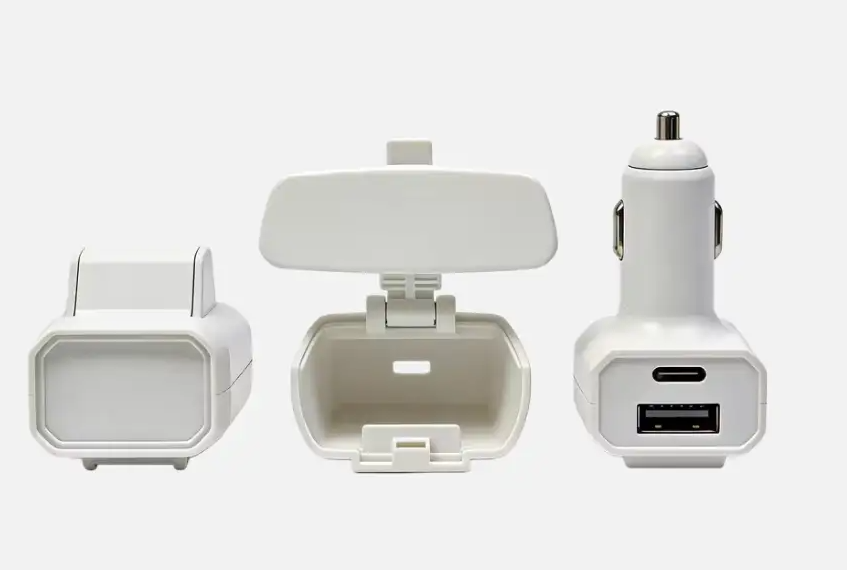
Nylon injection molding is a widely used manufacturing process for producing strong, lightweight, and wear-resistant plastic components. Known for its excellent mechanical properties, chemical resistance, and durability, nylon is commonly used in automotive parts, electrical connectors, industrial machinery, and consumer products.
However, nylon injection molding requires careful control of material moisture, melt temperature, mold design, and processing conditions to achieve consistent quality. Understanding the differences between nylon grades, their properties, and common molding challenges is essential for successful production.
This comprehensive Nylon Injection Molding Guide explores nylon materials, injection molding parameters, mold design considerations, common defects, applications, and practical strategies for improving product quality and reducing manufacturing costs.
1. What Is Nylon Injection Molding?
Nylon injection molding is a manufacturing process in which nylon resin, also known as polyamide (PA), is heated until molten and injected under pressure into a precision-engineered mold cavity.
After the material cools and solidifies, the mold opens, and the finished plastic component is ejected.
Nylon is a semi-crystalline engineering thermoplastic that offers an excellent balance of strength, toughness, friction resistance, and thermal performance.
Compared with general-purpose plastics such as polypropylene (PP) and ABS, nylon provides superior wear resistance and mechanical performance in many demanding applications.
Common nylon injection molded products include:
- Automotive gears, brackets, and engine components
- Electrical connectors and insulating housings
- Industrial bearings, bushings, and rollers
- Mechanical clips, fasteners, and cable ties
- Power tool housings and structural components
- Consumer electronics and appliance parts
Nylon can also be reinforced with glass fibers or other additives to improve stiffness, dimensional stability, and heat resistance.
2. Types of Nylon Used in Injection Molding
Different nylon grades offer different mechanical, thermal, and moisture absorption characteristics. Selecting the appropriate material is essential for ensuring product performance.
PA6 (Nylon 6)
PA6 is one of the most commonly used nylon materials for injection molding.
It offers excellent toughness, wear resistance, chemical resistance, and relatively easy processing.
PA6 is frequently used for automotive components, mechanical gears, electrical housings, and industrial parts.
Its main limitation is moisture absorption, which can influence dimensional stability and mechanical properties.
PA66 (Nylon 66)
PA66 generally offers higher melting temperature, stiffness, and heat resistance than PA6.
It is widely used in applications requiring mechanical strength and thermal stability, including automotive under-hood components, electrical connectors, and industrial equipment.
However, PA66 typically requires higher processing temperatures than PA6.
PA12 (Nylon 12)
PA12 provides lower moisture absorption and improved dimensional stability compared with PA6 and PA66.
It is suitable for precision components, fluid-handling applications, and products requiring consistent dimensions under changing humidity conditions.
Glass-Filled Nylon
Glass-filled nylon contains reinforcing glass fibers, commonly at concentrations such as 15%, 30%, or 50% by weight.
Glass fiber reinforcement increases stiffness, strength, and dimensional stability while reducing certain types of shrinkage.
However, it can also increase mold wear, create anisotropic shrinkage, and reduce impact performance in some applications.
Nylon Material Comparison
| Material | Key Advantages | Typical Applications |
| PA6 | Toughness, wear resistance, processability | Gears, brackets, industrial parts |
| PA66 | Higher heat resistance and stiffness | Automotive and electrical components |
| PA12 | Low moisture absorption | Precision and fluid-handling parts |
| PA6-GF30 | High stiffness and strength | Structural brackets and housings |
| PA66-GF30 | Heat resistance and dimensional stability | Under-hood automotive components |
3. Key Properties of Nylon Injection Molded Parts
Nylon offers several important advantages for engineering applications.
High Mechanical Strength
Nylon molded parts provide excellent tensile strength and toughness, making it suitable for load-bearing components and mechanical assemblies.
Excellent Wear Resistance
Its favorable friction and wear characteristics make nylon suitable for gears, bearings, rollers, and moving components.
Chemical Resistance
Nylon resists many oils, greases, fuels, and industrial chemicals. However, resistance varies by nylon grade, chemical concentration, temperature, and exposure duration.
Thermal Performance
PA66 and reinforced nylon grades can maintain useful mechanical properties at elevated temperatures, depending on the specific formulation.
Lightweight Construction
Nylon offers significant weight savings compared with many metal components, making it attractive for automotive and industrial applications.
Moisture Sensitivity
One important limitation is nylon’s ability to absorb moisture. Moisture absorption can change dimensions, stiffness, toughness, and long-term performance.
Engineers must consider both processing moisture and moisture absorption during service.
4. Nylon Injection Molding Process
The nylon injection molding process involves several carefully controlled stages.
Step 1: Material Drying
Nylon is hygroscopic, meaning it absorbs moisture from the surrounding environment.
Before processing, nylon pellets must be dried according to the material supplier’s recommendations.
Typical drying temperatures for many PA6 and PA66 grades fall around 80–90°C, although drying time and temperature depend on the resin grade, dryer performance, and initial moisture content.
Excess moisture can cause hydrolytic degradation, reduced mechanical properties, surface defects, and unstable processing.
Step 2: Plasticizing and Melting
Dried nylon pellets enter the injection molding machine through the hopper.
A rotating screw transports and melts the material using controlled barrel heating and shear.
The processing temperature must be sufficient for complete melting without causing excessive thermal degradation.
Step 3: Injection and Filling
Molten nylon is injected into the mold cavity under controlled pressure and speed.
Injection parameters influence cavity filling, weld lines, fiber orientation, and surface appearance.
Step 4: Packing and Holding
After filling, holding pressure compensates for material shrinkage before the gate freezes.
Proper packing helps minimize sink marks, voids, and dimensional variation.
Step 5: Cooling and Solidification
Nylon cools and crystallizes inside the mold.
Cooling conditions strongly influence crystallinity, shrinkage, mechanical properties, and cycle time.
Step 6: Ejection and Inspection
Once the part has sufficient rigidity, the mold opens and the ejector system releases the component.
Finished parts are inspected for dimensional accuracy, appearance, and functional performance.
5. Recommended Nylon Injection Molding Parameters
Processing conditions depend on the nylon grade, reinforcement level, part geometry, and molding equipment.
The following values are general starting ranges, not universal machine settings.
| Parameter | PA6 | PA66 |
| Melt Temperature | 230–280°C | 270–300°C |
| Mold Temperature | 60–90°C | 70–100°C |
| Drying Temperature | 80–90°C | 80–90°C |
| Typical Drying Time | 4–8 hours | 4–8 hours |
| Injection Pressure | 70–140 MPa | 80–150 MPa |
Actual settings should be established using the resin manufacturer’s technical data sheet, material moisture measurements, and molding trials.
Glass-filled and specialty nylon formulations may require different processing windows.
6. Nylon Injection Mold Design Considerations
Proper mold design is essential for achieving consistent nylon injection molding results.
Uniform Wall Thickness
Uniform wall thickness helps reduce uneven cooling, sink marks, internal stress, and warpage.
For many nylon components, wall thicknesses around 1.5–3.0 mm provide a practical starting point, depending on geometry and performance requirements.
Thicker sections may require additional cooling and careful packing control.
Draft Angles
Draft angles allow molded components to release smoothly from the mold.
A draft angle of approximately 1–2 degrees is often a reasonable starting point, although textured surfaces and deep features may require additional draft.
Gate Design
Gate location influences flow balance, weld line formation, fiber orientation, and shrinkage.
Common gate types include edge gates, pin gates, fan gates, and submarine gates.
For glass-filled nylon, gate design is particularly important because fiber orientation affects mechanical properties and dimensional behavior.
Cooling System Design
Balanced cooling channels help maintain consistent mold temperatures and reduce cycle time.
Poor cooling can cause uneven crystallization, warpage, and dimensional variation.
Shrinkage Compensation
Nylon shrinkage varies with grade, wall thickness, mold temperature, packing conditions, and fiber reinforcement.
Unfilled nylon often exhibits higher shrinkage than glass-filled nylon.
Engineers should use supplier data and molding trials to establish appropriate shrinkage allowances rather than relying on a single universal value.
7. Common Nylon Injection Molding Defects and Solutions
Even with suitable mold design, nylon molding can experience quality problems.
Warpage
Warpage occurs when different areas of a molded component shrink unevenly.
Possible causes:
- Uneven cooling
- Nonuniform wall thickness
- Improper gate placement
- Glass fiber orientation
Solutions: Improve cooling balance, optimize gate design, and adjust packing conditions.
Sink Marks
Sink marks are surface depressions commonly found near thick sections or ribs.
Solutions: Reduce excessive wall thickness, improve packing pressure, and optimize gate dimensions.
Short Shots
Short shots occur when molten nylon fails to completely fill the mold cavity.
Solutions: Review melt temperature, injection speed, venting, gate restrictions, and available injection pressure.
Flash
Flash occurs when molten material escapes through mold parting surfaces.
Solutions: Inspect mold alignment, clamping force, injection pressure, and parting-line condition.
Silver Streaks
Silver streaks can indicate moisture contamination, gas generation, or material degradation.
Solutions: Verify resin drying, inspect material handling, and optimize processing temperatures.
Weld Lines
Weld lines form where separate melt flow fronts meet.
Solutions: Optimize gate placement, melt temperature, filling conditions, and venting.
8. Applications of Nylon Injection Molding
Nylon injection molding is used across many industries because of its mechanical performance and design flexibility.
Automotive Industry
Automotive manufacturers use nylon for gears, clips, brackets, electrical connectors, and selected under-hood components.
Glass-filled PA66 is especially useful for applications requiring stiffness and heat resistance.
Electrical and Electronics
Nylon is used for connector housings, terminal blocks, cable management components, and insulating parts.
Electrical applications may require flame-retardant grades and specific electrical performance certifications.
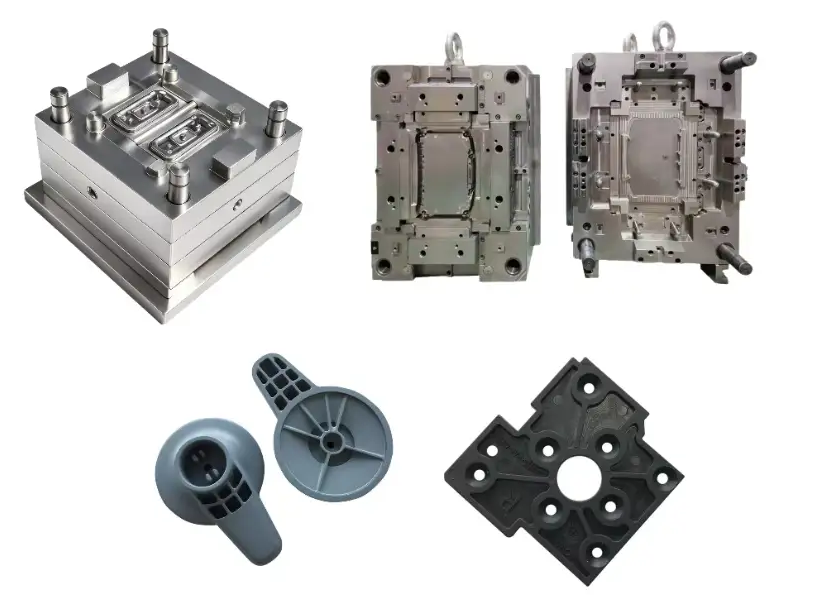
Industrial Machinery
Nylon gears, bushings, bearings, and rollers provide wear resistance and lightweight alternatives to certain metal components.
Consumer Products
Nylon is used in appliance components, sporting goods, furniture hardware, and durable mechanical accessories.
Medical and Healthcare Equipment
Selected nylon grades are used in medical equipment housings and mechanical components.
Medical applications require appropriate material selection, biocompatibility evaluation where applicable, and validated manufacturing controls.
9. Leading Companies Offering Injection Molding Services
Choosing an experienced injection molding manufacturer is important for achieving reliable nylon part quality.
Several companies provide injection molding, tooling, and engineering services for industrial applications.
TK Group
TK Group is a mold manufacturing and plastic injection molding company offering precision tooling and production solutions for multiple industries.
Its capabilities make it a relevant company to evaluate for projects involving complex plastic components and tooling requirements.
Tulin Plastic
Tulin Plastic specializes in custom plastic injection molding, precision mold design, mold manufacturing, and OEM/ODM production services.
The company supports engineering plastic components, including nylon applications, with mold design optimization, material selection assistance, and manufacturing support.
Its services cover prototype development, low-volume production, and custom injection molding projects for automotive, electronics, and industrial applications.
TDL Mould
TDL Mould provides custom mold manufacturing and plastic injection molding solutions.
The company is a potential manufacturing partner for buyers seeking tooling development and molded plastic components.
FOW Mould
FOW Mould offers injection mold manufacturing and plastic injection molding services for customized plastic products.
Its services are relevant to customers requiring precision tooling and production support.
Rosti Group
Rosti Group is an international plastic injection molding and contract manufacturing company.
It provides engineering, tooling, manufacturing, and assembly services for customers across multiple industries.
Tessy Plastics
Tessy Plastics provides precision plastic injection molding and manufacturing services, including solutions for technically demanding applications.
Its capabilities include engineering support, injection molding, and value-added manufacturing services.
When comparing suppliers, buyers should verify experience with the exact nylon grade, required tolerances, testing capabilities, quality certifications, and production volumes.
10. How to Reduce Nylon Injection Molding Costs
Cost optimization requires balancing material selection, tooling design, cycle time, and quality requirements.
Select the Right Nylon Grade
Avoid unnecessary use of expensive reinforced or specialty materials when standard PA6 or PA66 can meet performance requirements.
Optimize Part Design
Uniform walls, appropriate ribs, and simplified geometry can reduce material consumption and molding defects.
Improve Mold Cooling
Efficient cooling systems can shorten cycle times while maintaining consistent dimensional quality.
Consider Multi-Cavity Molds
For suitable high-volume products, multi-cavity molds can reduce per-part manufacturing costs.
Reduce Scrap Rates
Proper drying, stable processing conditions, and preventive mold maintenance help reduce rejected components.
Apply DFM Analysis
Early Design for Manufacturability analysis can identify expensive features and potential production problems before tooling begins.
11. Quality Control for Nylon Injection Molded Parts
Nylon components often require strict quality control because moisture absorption and crystallization influence dimensional stability.
Important inspection methods include:
- Dimensional Inspection: CMM machines, calipers, and optical measuring equipment verify critical dimensions.
- Moisture Testing: Resin moisture measurements help ensure appropriate drying before processing.
- Mechanical Testing: Tensile, flexural, and impact tests evaluate material performance.
- Visual Inspection: Surface defects, flash, sink marks, and discoloration are examined.
- Functional Testing: Assembly fit, mechanical movement, and load-bearing performance are verified.
For precision components, manufacturers should define inspection conditions, including temperature and humidity, because nylon dimensions can change after molding.
Conditioning requirements should be agreed upon before dimensional acceptance testing.
12. Frequently Asked Questions About Nylon Injection Molding
Is nylon suitable for injection molding?
Yes. Nylon is widely used for injection molding because it provides strength, toughness, wear resistance, and good processability when properly dried and processed.
What is the difference between PA6 and PA66?
PA6 generally offers good toughness and processing flexibility, while PA66 typically provides higher melting temperature, stiffness, and heat resistance.
Does nylon shrink during injection molding?
Yes. Nylon shrinks during cooling and crystallization. Shrinkage depends on material grade, reinforcement, part geometry, and molding conditions.
Why must nylon be dried before molding?
Nylon absorbs moisture, which can cause hydrolytic degradation during melting, resulting in reduced mechanical properties and surface defects.
Is glass-filled nylon better than standard nylon?
Glass-filled nylon offers higher stiffness and improved dimensional stability in many applications, but it may be more abrasive, less ductile, and more sensitive to fiber orientation.
Can nylon replace metal components?
In selected applications, nylon can replace metal components to reduce weight and manufacturing costs. However, engineers must evaluate loading, temperature, creep, moisture exposure, and long-term durability.
Conclusion
Nylon injection molding is an effective manufacturing solution for producing durable, lightweight, and high-performance engineering plastic components.
Successful production depends on selecting the correct nylon grade, controlling moisture content, optimizing mold design, and maintaining stable processing conditions.
PA6, PA66, PA12, and glass-filled nylon each offer different advantages, making material selection an important part of product development.
By combining professional mold engineering, DFM analysis, proper material handling, and reliable quality control, manufacturers can reduce defects, improve dimensional consistency, and optimize production costs.
For businesses developing custom nylon components, working with an experienced injection molding manufacturer such asTulin Plastic can help transform product designs into reliable, cost-effective molded parts suitable for demanding industrial applications.